Evaluating the 3D Butterfly Confetti Shaker for Easter Crafts and Gift Projects
As crafters and DIY enthusiasts explore options for seasonal decorations, the Butterfly Confetti Shaker has emerged as a distinctive project that bridges the gap between flat paper art and interactive kinetic design. Specifically tailored for occasions like Easter, this 3D butterfly papercut utilizes a layered approach to create depth and movement. Unlike traditional static cutouts, the shaker mechanism introduces an element of surprise and engagement, making it suitable for diverse applications ranging from cake toppers to children's toys. Understanding the mechanics, material requirements, and ideal use cases for this design is essential for anyone considering adding it to their creative repertoire.
The Mechanics of Layered Papercut Design
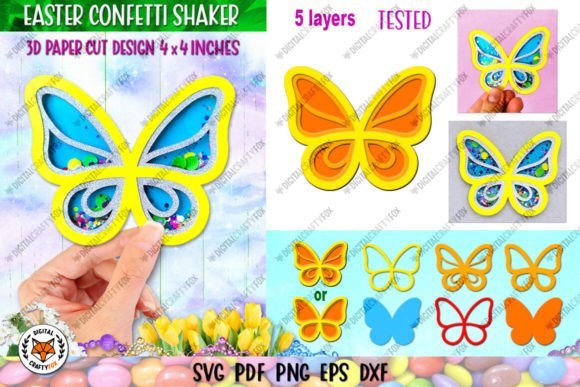
The core appeal of the 3D Butterfly Confetti Shaker lies in its construction logic. This is not a single-layer silhouette; rather, it is a complex assembly typically involving five distinct layers. The visual impact comes from the interplay between these layers, which creates a genuine three-dimensional effect when viewed from the side or front. The "shaker" function is achieved by creating a sealed cavity within these layers where loose confetti can move freely.
To achieve the necessary height for the confetti to tumble effectively, the design relies on specific structural components. Crafters often utilize thick cardboard, felt, foam sheets (foamin), or specialized double-sided tape to build up the rim. This spacing is critical; if the gap is too narrow, the confetti will not move, and if it is too wide, the structural integrity of the paper layers may be compromised. Some digital files associated with this design include special strips with "teeth" or pre-calculated glue strips to facilitate the creation of a high, sturdy rim. This attention to engineering within the digital file distinguishes high-quality templates from basic clipart.
Material Considerations and Transparency
A pivotal decision point in executing this project is the selection of the transparent material that seals the confetti inside while allowing visibility. The standard recommendation for the Butterfly Confetti Shaker involves using thin silicone materials, such as covers repurposed from notebooks or clear plastic folders. These materials offer the right balance of flexibility and durability. They are thin enough to be sandwiched between paper layers without causing bulk issues but strong enough to withstand the pressure of glued edges without tearing.
When evaluating alternatives, some crafters might consider acetate sheets or vinyl. While acetate provides excellent clarity, it can be brittle and difficult to adhere securely without visible glue marks. Vinyl, on the other hand, may be too flexible, potentially bowing under the weight of heavier confetti. The silicone-based options often provide a superior seal, ensuring the confetti remains contained even when the item is handled by children or transported as a gift.
Comparing Applications: From Edible Decor to Interactive Toys
The versatility of the 3D Butterfly Confetti Shaker allows it to serve multiple functions, though each application requires slight modifications in material choice and safety considerations.
- Cake and Cupcake Toppers: When used as a dessert accent, the primary concern is food safety. The paper elements must never directly touch the edible surface. Crafters typically attach the shaker to a toothpick or a food-safe stick, ensuring the bottom layer is sealed tightly to prevent any paper fibers or confetti from contaminating the food. The 4x4 inch artboard size common in these files is often large for a single cupcake but perfect for a centerpiece cake.
- Children's Toys and Sensory Tools: For this demographic, durability is paramount. A shaker intended for play should be constructed with heavier cardstock or laminated layers to resist tearing. The confetti used should be large enough to avoid choking hazards, or the sealing mechanism must be absolutely fail-safe. The interactive nature of watching the confetti swirl makes this an effective sensory tool for younger children.
- Greeting Cards and Gifts: As a standalone gift or card embellishment, the aesthetic quality takes precedence. Here, the focus shifts to the precision of the cut and the quality of the paper. The 3D layered design adds a premium feel to a simple greeting, elevating it beyond a standard flat card.
Digital File Formats and Compatibility
For those utilizing cutting machines, the availability of various file formats is a significant factor in the decision-making process. A comprehensive package for a Butterfly Confetti Shaker usually includes DXF, SVG, EPS10, and PDF files. Each format serves a specific purpose in the workflow:
- SVG and DXF: These are the industry standards for electronic cutting machines like the Cricut Explore Air 2 or Silhouette Cameo. They contain the vector paths necessary for the machine to cut intricate details and separate layers accurately.
- EPS10: Ideal for professional graphic designers using software like Adobe Illustrator, allowing for further customization of the vector shapes before cutting.
- PNG (300 DPI): High-resolution raster images with transparent backgrounds are crucial for those who may not have a cutting machine. These files allow for manual tracing or use in digital design projects where physical cutting is not required.
- PDF: Often includes print-and-cut lines or assembled previews, serving as a reference guide for layer ordering.
The inclusion of numbered layers in the instruction set is a vital feature. Since the assembly order dictates the final depth and functionality, having a clear guide prevents errors that could ruin the shaker effect. A preview JPG of the ready-made shaker also helps users visualize the end product before committing time and materials.
Tradeoffs and Limitations to Consider
While the 3D Butterfly Confetti Shaker offers a unique aesthetic, it is not without its challenges. The primary tradeoff is the time investment compared to simpler projects. Assembling five layers, ensuring the confetti chamber is perfectly sealed, and aligning the transparent window requires patience and precision. It is not a "quick craft" suitable for last-minute projects unless the crafter is highly experienced.
Furthermore, the durability of paper-based shakers is inherently limited by the medium. Unlike plastic injection-molded toys, paper can degrade with exposure to moisture or rough handling. If the intended use involves outdoor settings or long-term play, the user must weigh the risk of damage against the visual appeal. In such cases, reinforcing the layers with laminate or choosing a more robust base material like chipboard becomes necessary.
Another consideration is the size constraint. With a standard artboard size of 4x4 inches, the design is relatively compact. While this is advantageous for cupcake toppers or small gifts, it may be insufficient for larger wall decorations or party backdrops without significant scaling, which can sometimes compromise the fine details of the papercut.
Making the Right Choice for Your Project
Deciding whether the Butterfly Confetti Shaker is the right option depends largely on your goals and resources. If you are looking for a project that demonstrates technical skill and offers an interactive element, this design is an excellent candidate. It is particularly well-suited for Easter themes, spring celebrations, or butterfly-themed parties where the motif fits naturally.
However, if your priority is speed or if you lack access to a cutting plotter, you might find the multi-layer assembly daunting. In such scenarios, a flat die-cut butterfly or a printed sticker might be a more pragmatic alternative. Similarly, if the end user is a toddler who is prone to destroying delicate items, a solid wood or plastic toy might be a safer, more durable choice than a paper shaker.
Ultimately, the value of this project lies in the customization it affords. The ability to choose specific confetti colors, paper textures, and backing materials allows for a highly personalized result that mass-produced items cannot match. For crafters who enjoy the process of assembly and the satisfaction of creating something dynamic from static materials, the 3D Butterfly Confetti Shaker represents a rewarding challenge that yields a visually striking and engaging final product.