Evaluating the Layered Rose Bouquet 5 SVG Layers for Multi-Material Crafting Projects
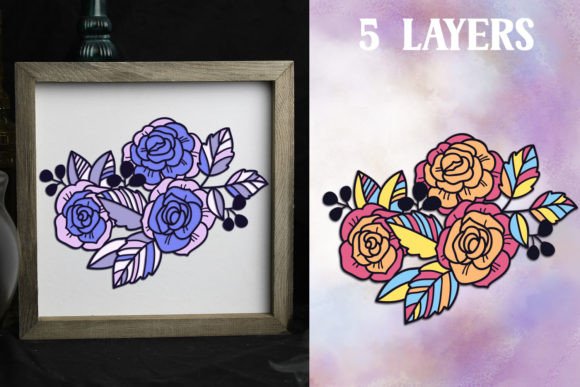
In the evolving landscape of digital crafting, the distinction between a flat graphic and a dimensional artwork often comes down to layering. For creators utilizing die-cutting machines or laser cutters, the Layered Rose Bouquet 5 SVG Layers represents a specific category of design resource that bridges the gap between simple decals and complex 3D assemblies. This design is not merely a single image file; it is a structured collection of five distinct vector paths, each engineered to sit atop the other to create depth, shadow, and texture. Understanding the utility of this specific file structure is essential for adults looking to elevate their projects from standard greetings to keepsake-quality decorations.
The core appeal of the Layered Rose Bouquet lies in its versatility across different mediums. Whether the end goal is a paper quilling card, a vinyl wall decal with color gradients, or a wooden shadow box, the five-layer architecture provides the necessary granularity for realistic results. Unlike single-layer silhouettes that rely entirely on the material's color for definition, this layered approach allows the crafter to manipulate light and shadow physically. By separating the bouquet into five tiers, the design mimics the natural overlapping of petals and leaves, offering a "touch of magic" that flat designs struggle to achieve without extensive manual detailing.
Structural Advantages of Five-Layer Architectures
When evaluating floral SVG resources, the number of layers is a critical metric for determining the final aesthetic quality. A three-layer design might suffice for a stylized, cartoonish look, but it often lacks the nuance required for botanical realism. The Layered Rose Bouquet 5 SVG Layers strikes a balance between complexity and manageability. With five distinct levels, the designer can allocate specific layers to background foliage, mid-tone petals, highlight details, and central focal points. This segmentation is particularly valuable when working with materials that have inherent thickness, such as cardstock or thin wood veneers.
The inclusion of multiple file formats—EPS, SVG, PNG, and DXF—further enhances the utility of this resource. While SVG is the native language for most modern cutting software like Cricut Design Space or Silhouette Studio, the availability of DXF ensures compatibility with older machinery or CAD-based laser cutting systems. EPS files remain the industry standard for professional graphic designers using Adobe Illustrator, allowing for precise node editing before export. The PNG format serves a different purpose entirely; it acts as a visual reference or a ready-to-print element for those who may not have cutting equipment but still wish to incorporate the design into digital invitations or sublimation projects. This multi-format approach removes technical barriers, making the design accessible regardless of the user's hardware ecosystem.
Comparative Analysis: Layered SVGs vs. Flat Graphics
To make an informed decision on whether this resource fits your needs, it is helpful to compare it against alternative design approaches. Flat graphics are undeniably faster to produce. They require a single cut, one material color, and minimal assembly time. However, they often appear two-dimensional and can lack the sophistication desired for high-end gifts or interior decor. In contrast, the Layered Rose Bouquet demands more preparation. The user must sort five different colors or shades of material, weed five separate cuts, and adhere them with precision.
The trade-off here is clear: time investment versus visual impact. For a quick party favor or a bulk production run where speed is the priority, a single-layer alternative might be superior. However, for projects intended as wall decoration for inside or outside living spaces, or as a centerpiece for a significant occasion, the layered approach offers a perceived value that flat graphics cannot match. The physical depth created by stacking five layers catches light differently throughout the day, creating a dynamic visual experience that changes with the viewing angle. This is particularly effective for outdoor applications where natural sunlight accentuates the shadows between the layers.
Material Considerations and Best-Fit Scenarios
The success of a layered project depends heavily on material selection. The Layered Rose Bouquet 5 SVG Layers is optimized for materials that hold their shape well under adhesion. Cardstock ranging from 65lb to 80lb is often the ideal candidate for papercut cards. It provides enough rigidity to prevent the layers from sagging while remaining thin enough to keep the overall profile of the card manageable for mailing. For users exploring alternatives for durability, such as outdoor signage, vinyl or weather-resistant adhesive films are necessary. In these cases, the five layers allow for a gradient effect using varying opacities or shades of the same color family, simulating depth without the need for physical stacking if space is a constraint.
Another emerging application for this type of file is in the realm of mixed media. Crafters often combine the SVG layers with other elements, such as adding glitter accents to the top layer or using textured paper for the base. The distinct separation of files allows for this experimentation without compromising the integrity of the entire image. If a mistake occurs on one layer during the cutting or weeding process, only that specific tier needs to be re-cut, saving material and frustration compared to ruining a single-piece complex design.
Limitations and Decision Factors
While the benefits of the Layered Rose Bouquet are significant, it is important to acknowledge the limitations. The primary constraint is assembly time. Creating a single card with five layers can take significantly longer than a flat design. For those producing items for sale, this impacts the profit margin and throughput. Additionally, the thickness of the final product must be considered. A five-layer paper flower can be quite bulky, potentially requiring special envelopes or packaging to prevent damage during shipping. Users must evaluate whether their distribution channel can accommodate this added dimension.
Furthermore, the skill level required is moderately higher than average. Aligning five layers perfectly requires patience and a steady hand. Misalignment by even a millimeter can disrupt the symmetry of the rose, making the design look sloppy rather than intricate. Beginners might find starting with a three-layer version of a similar design more forgiving before graduating to the five-layer complexity. However, for those willing to invest the time, the learning curve yields a substantial upgrade in portfolio quality.
Practical Applications Across Occasions
The versatility of this design extends to a wide array of occasions. As a beautiful papercut card for different occasions, it serves as a timeless gesture for weddings, anniversaries, and Mother's Day. The romantic connotation of roses pairs naturally with the elegance of layered paper art. Beyond greeting cards, the design functions effectively as wall decoration. When scaled up and cut from wood or metal, the Layered Rose Bouquet 5 SVG Layers becomes a striking piece of home decor suitable for living rooms, entryways, or even exterior garden walls if proper materials are used.
Gift customization is another strong use case. The layers can be applied to wooden boxes, glass jars, or canvas tote bags. Because the files are available in vector formats like EPS and SVG, the size can be adjusted infinitely without loss of quality, allowing the same design to fit a small jewelry box or a large door wreath. This scalability makes it a cost-effective resource for crafters who want to maximize the utility of a single purchase across multiple product lines.
Ultimately, choosing the Layered Rose Bouquet is a decision to prioritize depth and detail over speed. It is a resource best suited for creators who view their projects as artistic expressions rather than mere commodities. By offering a balanced combination of realistic floral aesthetics and technical flexibility through its five-layer structure and diverse file formats, it stands as a robust tool in the digital crafter's library. Whether used for a heartfelt handmade card or a statement piece of interior design, the potential for creating something truly unique is embedded in the separation of those five distinct layers.