Evaluating the Snowy Village Shadow Box Paper Cut for Winter Crafting
The Snowy Village Shadow Box Paper Cut represents a specific tier of paper crafting that moves beyond flat decorations into the realm of three-dimensional art. For individuals researching winter-themed projects, particularly those utilizing digital cutting machines, this design offers a structured approach to creating depth and atmosphere. Unlike standard silhouette cuts, a shadow box relies on the precise stacking of multiple layers to simulate distance, lighting, and texture. This article evaluates the components, requirements, and practical considerations associated with creating this specific winter scene to help you determine if it aligns with your current crafting goals.
Understanding the Design Structure
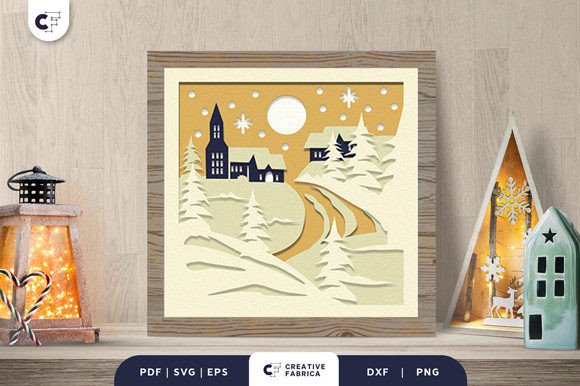
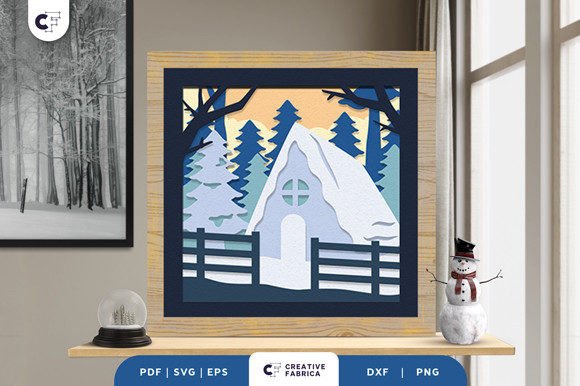
At its core, the Snowy Village Shadow Box Paper Cut is a layered assembly designed to depict a serene winter landscape, typically featuring a cabin or village scene surrounded by snow-laden trees and foreground elements. The specific design referenced in many digital marketplaces consists of eight distinct layers. These layers are not merely decorative; they serve a functional purpose in creating parallax effects. When stacked with spacers or folded tabs between them, the separation creates shadows that enhance the perception of depth, making the central subject, such as a cozy cabin, appear to recede into the background.
The digital files required to execute this project usually come in a variety of formats, including SVG, PDF, EPS, PNG, and DXF. This multi-format availability is crucial for compatibility across different hardware and software ecosystems. Whether you are using a Cricut, Silhouette, or another brand of cutting machine, having access to vector files like SVG and DXF ensures that the cut lines remain crisp regardless of the final size, while raster formats like PNG serve well for previewing the layer order or for manual tracing methods.
Reasons to Choose This Project
Crafters often seek out the Snowy Cabin Shadow Box for several practical and aesthetic reasons. Primarily, it offers a high-impact visual result that is difficult to achieve with single-layer cutting. The 3D nature of the project makes it an excellent candidate for holiday decor, gift-giving, or even as a teaching tool for understanding spatial relationships in art. The theme itself—a quiet, snowy village—resonates strongly during the winter months, providing a sense of warmth and nostalgia.
Furthermore, the standardized dimensions often associated with these files, such as the common 20.32×20.32 cm (approximately 8x8 inches) size, make them highly versatile. This size is large enough to showcase intricate details but small enough to fit into standard deep-frame shadow boxes available at most craft stores. For those looking to produce consistent results for sales or gifts, the repeatability of a digital file ensures that every unit produced maintains the same structural integrity and design fidelity.
Material Considerations and Technical Requirements
Successfully executing a Snowy Village Shadow Box Paper Cut requires more than just the digital file; material selection is a critical variable in the final outcome. The project demands cardstock that is sturdy enough to hold its shape when layered yet thin enough to be cut cleanly by a blade without excessive fraying. A weight of 80 lb cover (216 gsm) is frequently recommended for this type of work. This specific weight provides the necessary rigidity to prevent the layers from sagging over time while still allowing for clean weeding of intricate snowflake or tree branch details.
Brands such as Encore Cardstock are often cited in relation to these projects due to their consistency in thickness and color saturation. However, crafters should be aware that the final appearance can vary based on the specific paper color chosen. While preview images often display high-contrast scenarios to highlight the layering effect, the actual product may look different depending on the lighting conditions in the room where it is displayed. Using lighter colors for background layers and darker tones for foreground elements can artificially enhance the depth perception if natural shadowing is insufficient.
In terms of tools, a Cricut cutting machine or equivalent device is essential for handling the complexity of eight layers with precision. Manual cutting of such intricate designs is possible but extremely time-consuming and prone to error, which could misalign the entire 3D effect. Additionally, assembly requires a reliable adhesive. PVA glue is generally preferred over hot glue for this application because it dries clear and does not add significant bulk to the joints, which is vital when maintaining precise spacing between layers.
Tradeoffs and Limitations
While the aesthetic appeal of the Snowy Cabin Shadow Box is high, there are tradeoffs to consider before beginning the project. The primary constraint is the time investment. An eight-layer design requires cutting, weeding, and assembling each layer individually. This process is significantly more labor-intensive than creating a simple vinyl decal or a flat paper ornament. For crafters working on tight deadlines or producing items in bulk, this time cost must be factored into the decision-making process.
Another consideration is the dependency on framing. Unlike a standalone sculpture, a shadow box cut is designed to be viewed within a deep frame. Without the enclosure, the layers are fragile and susceptible to dust and damage. This means the total cost of the project includes not only the paper and machine time but also the purchase of a suitable shadow box frame, which can vary widely in price and quality. If a crafter does not have access to deep frames, the utility of the design diminishes considerably.
Additionally, the complexity of the cut can pose challenges for older or less maintained cutting blades. Intricate details in the "snow" or "tree" layers may tear if the blade is dull or if the cardstock is too fibrous. Users must be prepared to perform test cuts and potentially replace blades more frequently when working with dense, multi-layer projects.
Ideal Use Cases and Alternatives
The Snowy Village Shadow Box Paper Cut is a strong fit for specific scenarios. It is ideal for hobbyists who enjoy the meditative process of assembly and value the tactile nature of paper crafting. It is also well-suited for creating personalized holiday gifts where the effort put into the layering adds sentimental value. Educators teaching design principles regarding depth and perspective may also find this an excellent practical example.
However, alternatives may be worth considering in other situations. If the goal is rapid production for a large event, a single-layer silhouette or a printed graphic might be more efficient. For those without access to a cutting machine, pre-cut kits or laser-cut wooden alternatives could provide a similar 3D aesthetic without the technical barrier of operating digital machinery. Similarly, if budget is a primary concern, simpler two-layer designs can offer a hint of depth without the material and time costs associated with an eight-layer construction.
Making the Decision
Deciding whether to proceed with the Snowy Village Shadow Box Paper Cut ultimately depends on your priorities regarding time, budget, and desired visual impact. If you possess the necessary equipment, such as a compatible cutting machine and access to 80 lb cardstock, and you are willing to invest the time required for precise assembly, the result is a sophisticated piece of art that captures the essence of winter. The ability to customize colors and the satisfaction of building a 3D scene from flat sheets of paper offer a unique creative outlet.
Conversely, if you require a quick solution or lack the specific framing materials needed to display the layers effectively, you may find the project overly demanding. By weighing the intricate beauty of the final product against the logistical requirements of its creation, you can determine if this winter-themed project is the right addition to your crafting portfolio. Always remember that digital previews serve as a guide, and experimenting with different paper weights and colors is part of the process to achieve the best possible version of the Snowy Cabin Shadow Box for your specific environment.