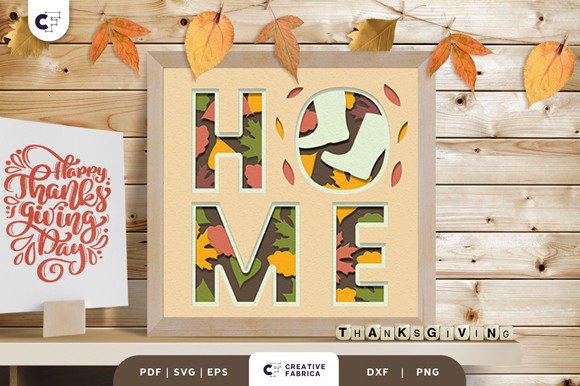
Autumn Boots HOME Layered Paper Cut
When the first leaves begin to turn and fall, it signals a shift not just in the season, but in our approach to visual storytelling and home aesthetics. This transition offers a perfect opportunity to explore depth and texture in design, exemplified by the Autumn Boots HOME Layered Paper Cut. While originally conceived as a charming shadow box decoration featuring warm hues, poetry, and seasonal motifs like boots and foliage, this layered concept holds significant value for professional graphic designers seeking to inject tactile warmth into digital and print projects.
In the realm of modern graphic design, flat aesthetics are increasingly giving way to compositions that suggest depth and dimensionality. The principle behind a layered paper cut—stacking elements to create shadows and perspective—is a powerful tool for establishing visual hierarchy. By analyzing how the Autumn Boots HOME Layered Paper Cut utilizes seven distinct layers to frame the word "HOME," designers can learn to apply similar stacking techniques to brand identity systems, logo design, and packaging design. The interplay of foreground and background elements guides the viewer's eye, creating a more engaging user experience.
Elevating Brand Identity with Layered Depth
Integrating the logic of physical layering into digital marketing and branding strategies can dramatically improve engagement. When a brand adopts a multi-layered visual style, it communicates sophistication and attention to detail. Consider how the varying shapes and colors of leaves in the autumn design create a rich color palette; this same approach can be adapted for social media graphics or web design. By using subtle drop shadows and overlapping vector shapes, you can mimic the 3D effect of a paper cutout without the physical constraints, enhancing the modern aesthetics of your client's online presence.
Furthermore, typography plays a crucial role in this composition. The large letters forming "HOME" serve as an anchor, demonstrating how typography can function as both text and image. For designers working on editorial design or advertising campaigns, treating type as a structural element allows for creative freedom. You can overlay imagery within letterforms or use type to frame key messages, much like the boots and poetry notes nestled within the autumn leaves of the source design.
Practical Applications Across Design Disciplines
The versatility of layered assets extends far beyond seasonal decor. Here is how you can adapt these principles across various creative projects:
- Packaging Design: Use layered die-cut concepts to create unique unboxing experiences that reveal brand stories step-by-step.
- UI/UX Design: Implement depth through card interfaces and parallax scrolling to guide user navigation intuitively.
- Presentation Decks: Move away from flat slides by incorporating dimensional elements that highlight key data points.
- Merchandise: Apply layered vector art to apparel and accessories for a premium, textured look.
- Print Design: Utilize actual paper stock variations to replicate the shadow box effect in brochures and invitations.
Optimizing Your Design Workflow
To effectively leverage assets like the Autumn Boots HOME Layered Paper Cut in your professional workflow, compatibility and file format are paramount. High-quality designs should be available in versatile formats such as SVG, PDF, EPS, PNG, and DXF. SVG files, in particular, are essential for web design and logo design as they ensure scalability without loss of quality. When evaluating creative assets, always check the number of layers and the complexity of the paths to ensure they align with your production capabilities, whether you are cutting physical materials with a plotter or manipulating vectors in Illustrator.
Consistency is key when adapting such intricate designs for commercial use. Ensure that the visual design elements align with existing brand systems. If you are modifying the color palette to match a corporate identity, maintain the contrast ratios to preserve readability and professional presentation. Remember, the goal is not merely to copy a trend but to understand the underlying mechanics of why it works—the balance of warm elements, the strategic placement of focal points, and the harmony between text and imagery.
Ultimately, the success of any creative project lies in the thoughtful selection and application of its components. Whether you are crafting a cozy autumn display or developing a comprehensive brand identity, the principles of layering, texture, and compositional balance remain constant. By embracing high-quality, adaptable assets and understanding their potential across different mediums, designers can create work that resonates deeply with audiences, proving that even the simplest seasonal themes can inspire profound design inspiration and elevate overall communication quality.