Mastering the Pentagon Shape 3D Layered Paper Cut
There is a distinct satisfaction in transforming flat, two-dimensional materials into something with depth, shadow, and presence. The Pentagon Shape 3D Layered Paper Cut represents more than just a craft project; it is an exercise in spatial reasoning and aesthetic precision. For creators, educators, and design enthusiasts, this medium offers a unique bridge between digital design and tangible art. Whether you are looking to create a striking piece of home decor or a sophisticated visual aid for a presentation, understanding the mechanics of layered paper art can elevate your creative output significantly.
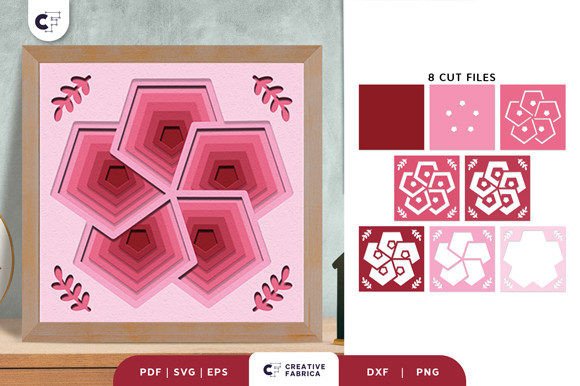
The appeal of this specific design lies in its geometric harmony. Inspired by clean, mathematical shapes, the composition features a central flower-shaped pentagon set against a deep black space. This contrast is not accidental. By placing intricate, soft pink layers against a dark background, the artwork leverages shadow to create an illusion of depth that flat printing simply cannot achieve. The result is a shadow box that feels both modern and timeless, suitable for a variety of interior styles ranging from minimalist to eclectic.
The Architecture of Depth: Why Eight Layers Matter
At first glance, a shadow box might seem like a simple stack of paper. However, the magic happens in the engineering of the layers. This particular template utilizes eight distinct layers of cardstock to form the final three-dimensional structure. Each layer serves a specific purpose, acting as a building block that guides the viewer’s eye toward the center focal point.
The use of eight layers provides enough gradation to create a smooth visual transition from the outer frame to the inner subject. If you were to use fewer layers, the effect might appear abrupt or disjointed. Too many, and the assembly becomes unnecessarily complex without adding significant visual value. This balance is crucial for maintaining structural integrity while ensuring the light plays correctly across the cutouts. The "flower shaped pentagon" at the center acts as the anchor, drawing attention inward while the surrounding geometric frames provide context and stability.
When working with a Pentagon Shape 3D Layered Paper Cut, the precision of each cut is paramount. The interplay between the positive space (the paper) and the negative space (the cutouts) defines the artwork’s character. This is where the quality of your materials and tools comes into play. A jagged edge or a misaligned layer can disrupt the optical illusion, breaking the immersion for the viewer.
From Digital File to Physical Art: The Workflow
One of the greatest advantages of modern papercraft is the accessibility of digital templates. You do not need to be a master illustrator to create professional-grade art. Instead, you can rely on pre-designed SVG, PDF, EPS, PNG, and DXF files that handle the complex geometry for you. These formats ensure compatibility with a wide range of cutting machines, from consumer-grade die cutters to industrial plotters.
To bring this vision to life, the process is straightforward but requires patience. First, you must ensure your images are in the correct format for your specific cutting device. Once prepared, the cutting phase begins. This is where attention to detail pays off. Each of the eight layers must be cut accurately according to the design specifications. Any deviation here will compound as you move up the stack.
After cutting, the assembly phase transforms individual pieces into a cohesive unit. Using double-sided tape or foam adhesive squares, you stack the layers in sequence. It is often recommended to use spacers or foam tape between layers to enhance the 3D effect, allowing light to penetrate deeper into the shadows. Finally, the entire assembly is mounted onto a sturdy base frame. This base can be made of wood, foam, or heavy-duty paper, depending on whether you intend to hang the piece or display it on a shelf.
Material Selection: The Foundation of Quality
The longevity and appearance of your shadow box depend heavily on the paper stock you choose. Flimsy paper will warp over time, ruining the crisp lines of the geometric design. For this project, the recommendation is to use Encore Cardstock 80 lb cover (216 gsm). This weight provides the perfect balance of rigidity and flexibility. It is thick enough to hold its shape when cut into intricate patterns but thin enough to allow for clean cuts without excessive friction on your blade.
Color consistency is another critical factor. The soft shade of pink described in this template relies on subtle tonal variations. When selecting your cardstock, consider how lighting will affect the perceived color. Natural light may bring out warmer undertones, while artificial lighting might cast cooler hues. It is advisable to test a small sample under your intended display conditions before committing to the full build. Keep in mind that the actual final product color may slightly vary due to lighting sources and the specific batch of paper used.
If you are sourcing materials, visiting a specialized shop can ensure you get the right texture and weight. For instance, checking out a 12×12 Cardstock Shop can provide access to high-quality materials that generic office supply stores may not carry. Note that such links are often paid affiliations, but they come at no extra cost to you while supporting the creator ecosystem.
Practical Applications Beyond Home Decor
While the immediate application of a Pentagon Shape 3D Layered Paper Cut is wall art, its utility extends far beyond the living room. For educators, these models serve as excellent tools for teaching geometry, symmetry, and spatial awareness. Students can physically manipulate the layers to understand how two-dimensional shapes combine to create three-dimensional forms.
In the professional realm, marketers and brand designers can utilize similar techniques to create unique packaging prototypes or event displays. The tactile nature of layered paper adds a premium feel to brand experiences. Imagine a product launch where the invitation itself is a mini shadow box, revealing the brand logo through layered reveals. This kind of interactive engagement creates a memorable impression that digital ads simply cannot match.
Freelancers and content creators can also leverage this skill to produce custom thumbnails, background elements for photography, or props for video content. The ability to control lighting and shadow in a physical setup allows for a level of authenticity that resonates with audiences tired of overly polished digital graphics.
Maximizing Impact with Lighting and Framing
The true potential of a 3D paper cut is unlocked only when properly lit. The "black space" mentioned in the design description is not just a background; it is a canvas for shadow. To maximize the dramatic effect, consider integrating LED strip lights behind the top layer or within the frame itself. Backlighting can transform the piece from a daytime decor item into a glowing nighttime feature.
When framing, ensure that the glass or acrylic cover does not press against the top layer of paper. Compression can flatten the 3D effect, negating the hours of careful stacking. Use a deep-set frame or add risers to maintain the necessary air gap. This attention to preservation ensures that your artwork remains vibrant and structurally sound for years to come.
Ultimately, the Pentagon Shape 3D Layered Paper Cut is a testament to the power of simplicity. By combining basic geometric shapes with thoughtful layering, you create a piece that is greater than the sum of its parts. It invites viewers to look closer, to appreciate the depth, and to engage with the art on a tactile level. Whether you are a seasoned crafter or a curious beginner, this project offers a rewarding blend of technical challenge and artistic fulfillment.